We’re working with residents to make homes healthier, safer, and more comfortable — while creating opportunities for good-paying local jobs.
Why Healthy Homes Matter
Gas appliances like stoves and water heaters release harmful pollutants into the home — including nitrogen oxides (NOx), which are linked to asthma and other respiratory issues, especially in children.
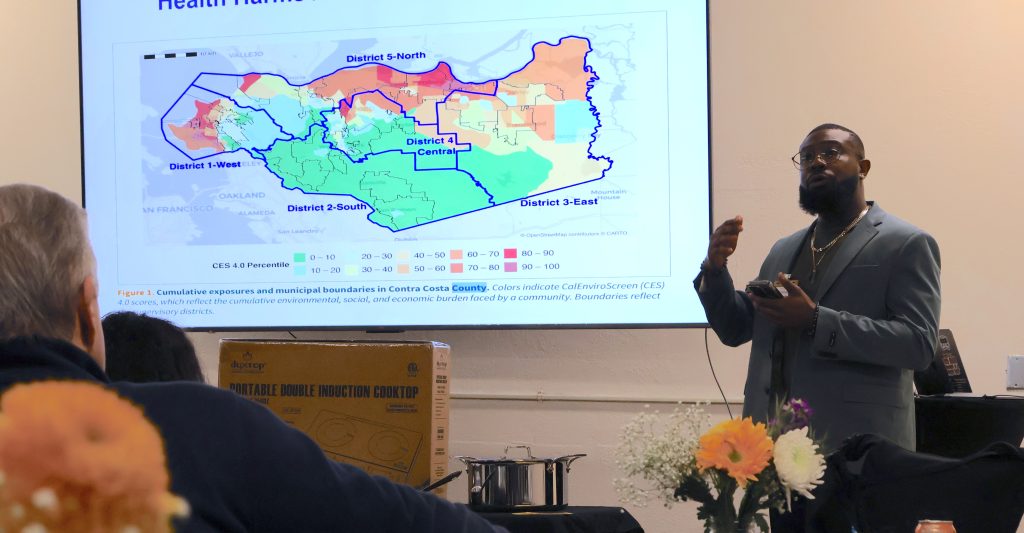
In communities like Pittsburg and Antioch, this is made worse by outdoor pollution. Many neighborhoods are located near highways, industrial areas, and other sources of air pollution. Studies show that Pittsburg experiences some of the highest levels of fine particulate pollution (PM2.5) in the region, along with one of the highest asthma burdens in the state.
At the same time, many homes rely on older gas appliances and struggle with poor insulation, making them harder to keep cool during extreme heat and warm in the winter — increasing both health risks and energy costs.
Healthy homes are about more than comfort. They are about reducing exposure to pollution, improving air quality, and protecting the health of families, especially in communities that have been most impacted.
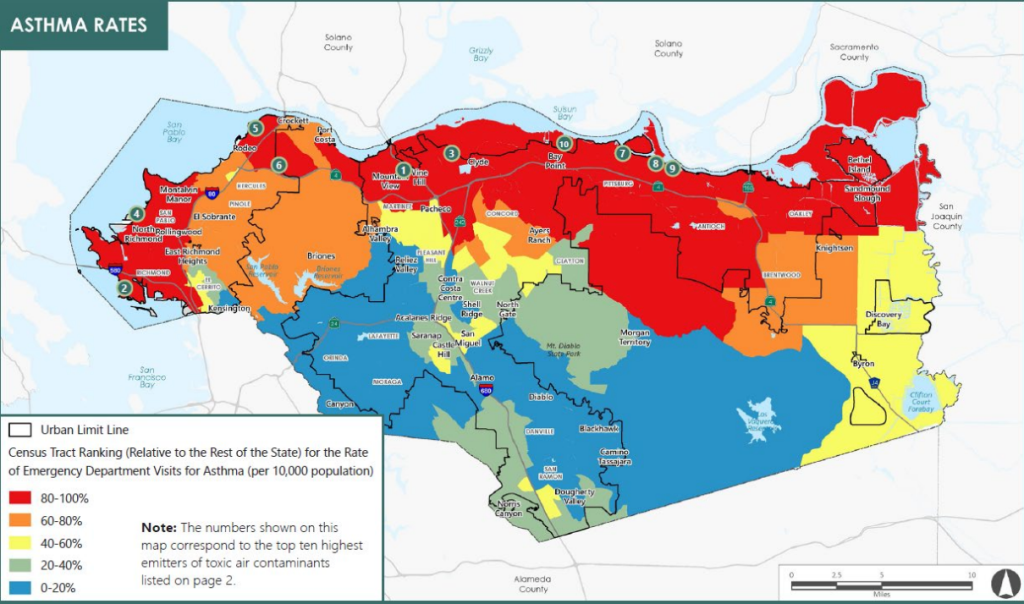
Source: California Office of Environmental Health Hazard Assessment, 2018; Contra Costa County, 2019; Placeworks, 2019.
Who We Are and Why We’re Here
The East Contra Costa County Healthy Homes Collaborative brings together seven community-based organizations working to advance health, equity, and environmental justice.
We came together to ensure that residents, especially low-income households and BIPOC communities who have been disproportionately impacted by pollution and housing inequities, can benefit from healthier homes, cleaner energy, and safer living environments and good paying jobs. We extended our expertise through hiring Tierra Resource Consultants and Emerald Cities Collaborative.

Building the Healthy Homes Program, Together
We are currently in the planning phase of the Healthy Homes program, working closely with residents across Pittsburg and Antioch to design a program that reflects real community needs.
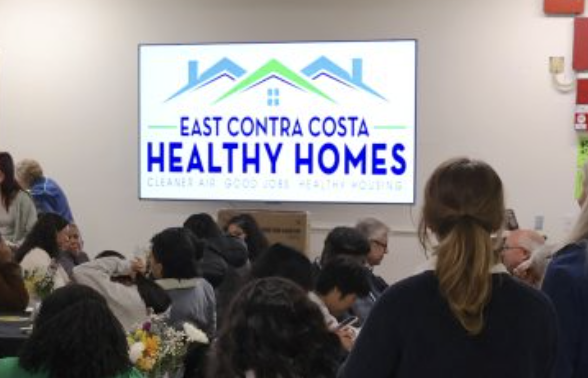
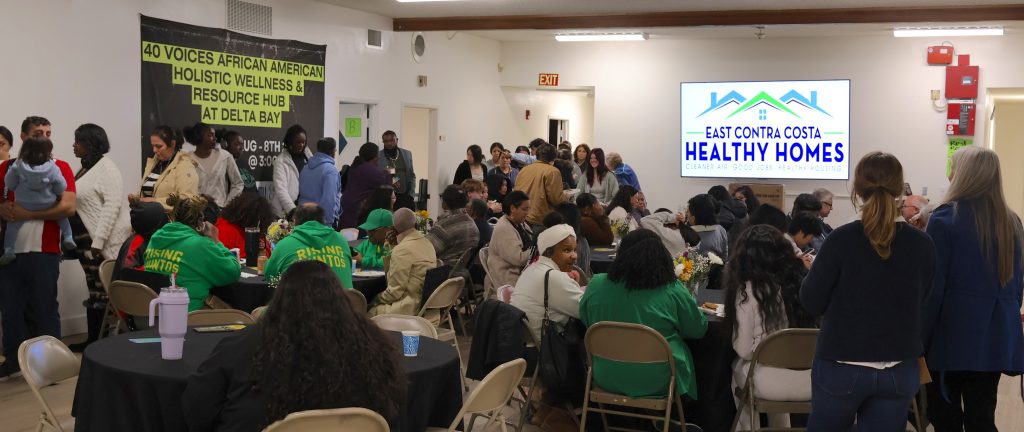
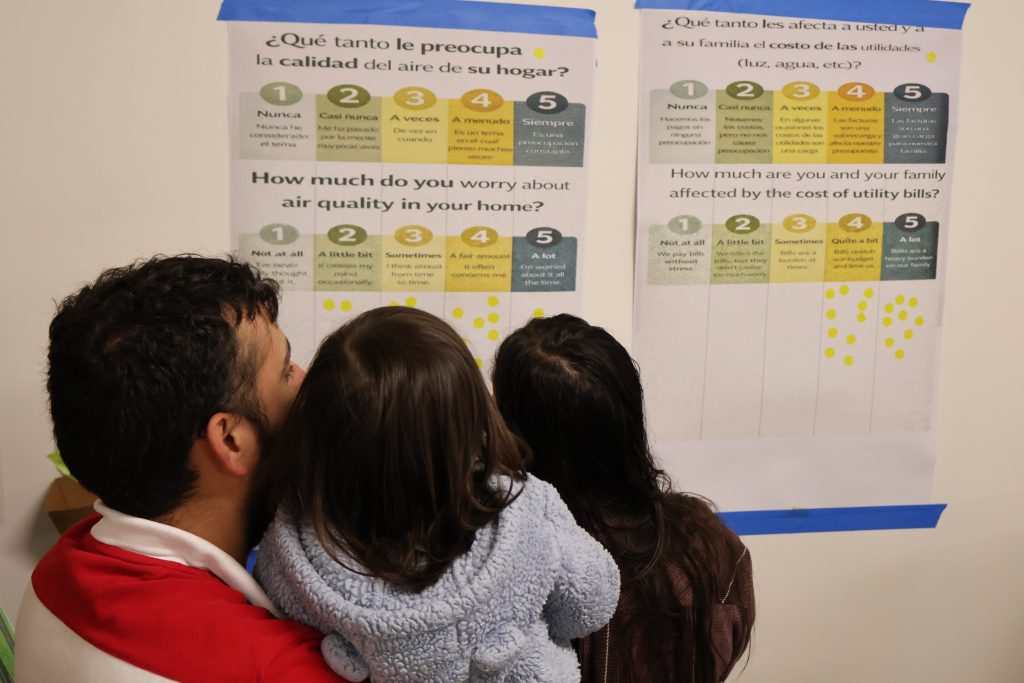
Over the past year, we have engaged more than 500 residents through community events, surveys, outreach, and conversations. This work is helping us understand what matters most, and ensuring that the program is shaped by the people it is meant to serve.
Here’s what we’re hearing from residents:
- Health and air quality matter, especially concerns about asthma, pollution, and the impact of gas appliances
- Energy costs are a burden for many households
- Comfort matters year-round, keeping homes cool during extreme heat and warm in the winter
- Residents want home upgrades that improve comfort, lower energy bills, and replace older equipment with cleaner, more efficient options
- Clear, easy-to-understand information is needed to help people navigate choices
- Trust matters, residents are more likely to participate when programs are led by local, community-based organizations
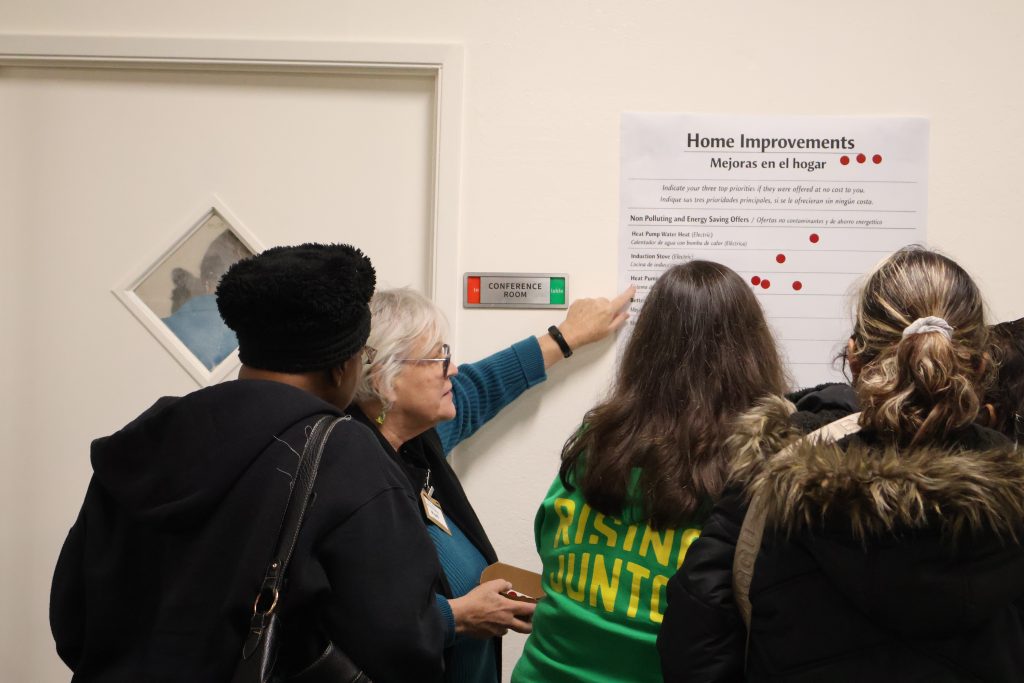
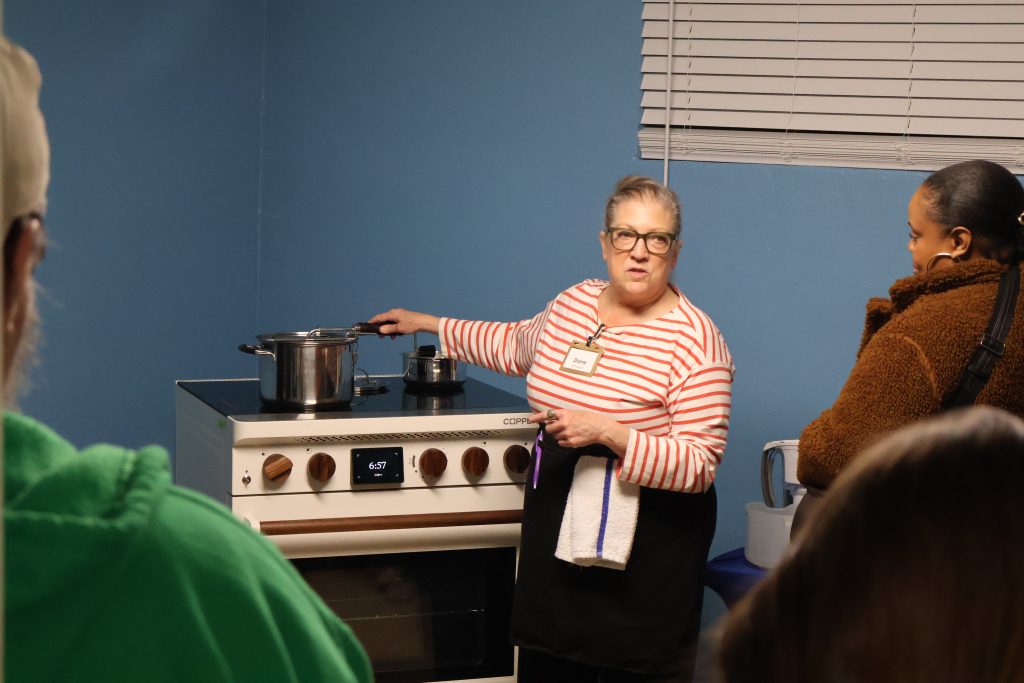
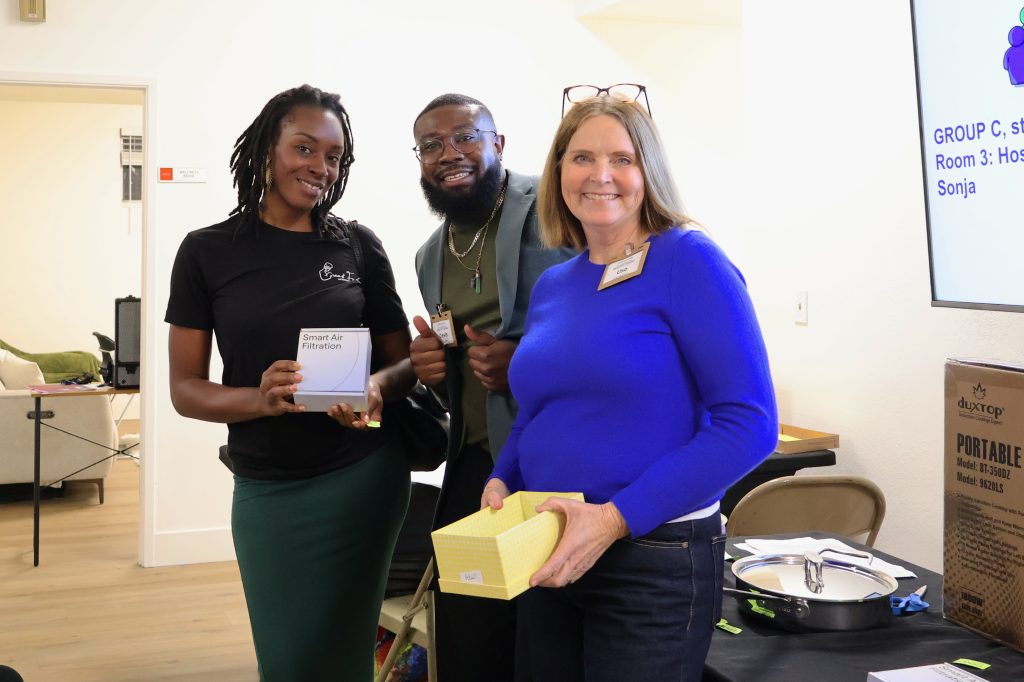
We are exploring different approaches, funding opportunities, and existing programs to create a solution that is simple to access, trusted, and effective. Our goal is to build a program that can provide no-cost or low-cost home improvements, including cleaner appliances, improved energy efficiency, better air quality, and more comfortable homes.
At the same time, we are working to ensure this effort creates local economic opportunity. We are identifying ways to partner with local contractors, support access to high-road jobs, and begin building a workforce pipeline that connects residents, including local youth, to careers in clean energy and home improvement.
By grounding this work in community input, we are building a program that is not only effective, but also accessible, trusted, and designed to deliver real benefits for both residents and the broader community.
What’s Happening Now?
Finalizing program design
We are using what we’ve learned from community engagement to shape a program that is simple to access, responsive to resident needs, and designed to deliver real health, comfort, and cost benefits.
Applying for funding
We are actively pursuing public funding and other resources to bring this program to life and ensure it can provide meaningful support to residents at no or very low cost.
Building partnerships
We are working with local organizations, agencies, and trusted community partners to strengthen delivery, expand reach, and ensure the program is rooted in the community.
Connecting residents to existing programs
While we design this new program, we are helping residents access available programs today, including energy efficiency and electrification offerings, so they can start benefiting right away.
Creating Pathways to Local Jobs
As we design the Healthy Homes program, we are also focused on creating real economic opportunity for the local community.
We are working to identify and partner with local contractors and service providers to ensure that the work to improve homes is done by trusted, community-based businesses whenever possible. At the same time, we are supporting access to high-road jobs, careers that provide fair wages, benefits, and long-term stability.
We are collaborating with coalition partners such as Open Opportunities / Future Build in Pittsburg, which focuses on preparing local residents, including youth, for careers in the building trades, and Grid Alternatives, which provides workforce training and pathways into solar installation and clean energy careers.
Through these efforts, we are beginning to build a workforce pipeline that connects local residents to training, job opportunities, and career pathways tied directly to the improvements happening in their own community.
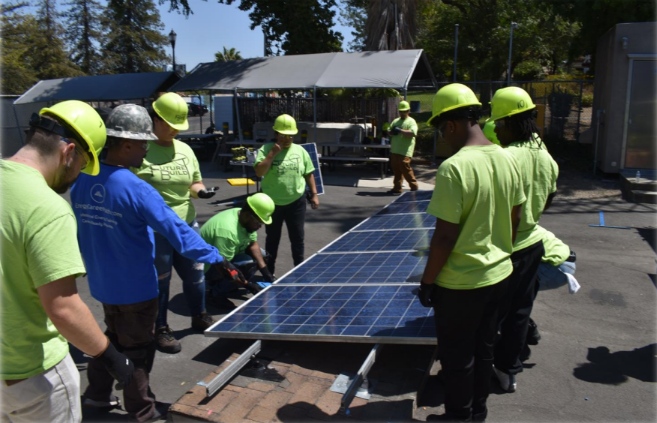
Source: Cohort 22 Graduation Program, Future Build, 2022.
Stay Connected
Sign up to receive updates, program opportunities, and ways to get involved!